Body Worn Cameras Explained: Hardware, Software, and the Full BodiCam Ecosystem
Body worn cameras are often thought of as simple recording devices, but in reality they are part of a much wider ecosystem. To deliver real value, a body worn camera solution must combine reliable hardware, secure software, and seamless workflows that support staff, managers, and control rooms alike.
At BodiCam, we design our solutions as a complete ecosystem, ensuring every element works together from the moment recording begins to the point footage is reviewed, shared, or presented as evidence.
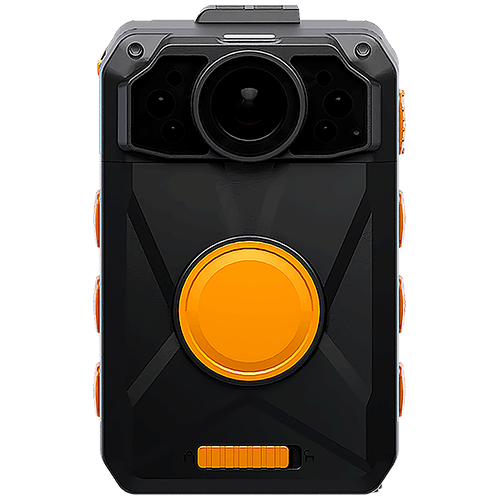
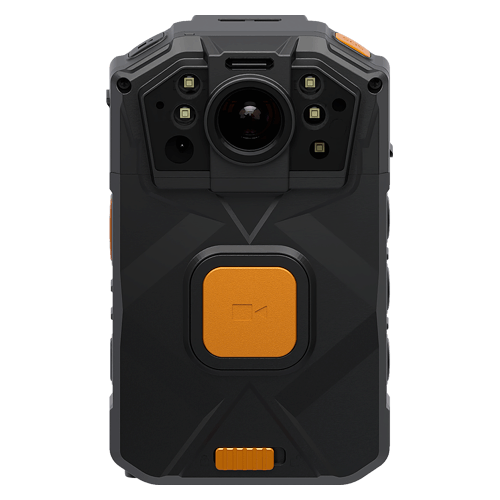
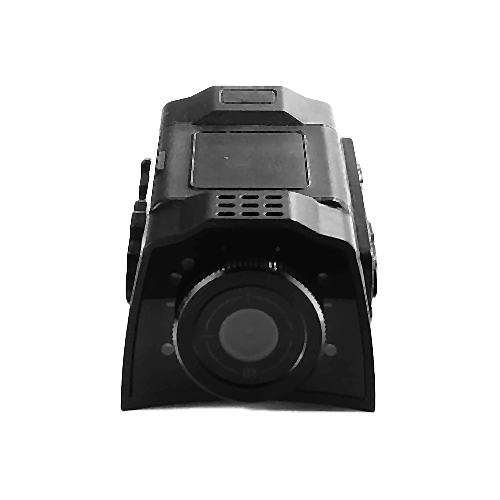
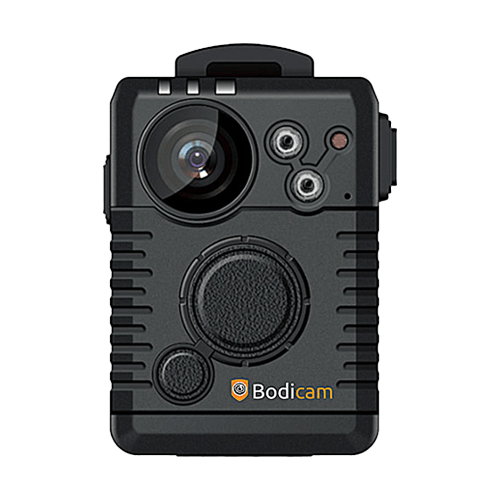
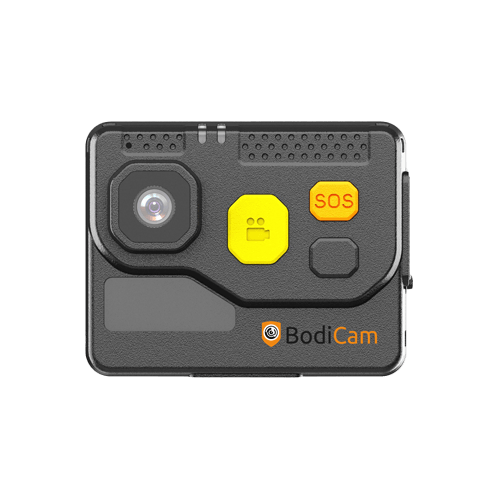
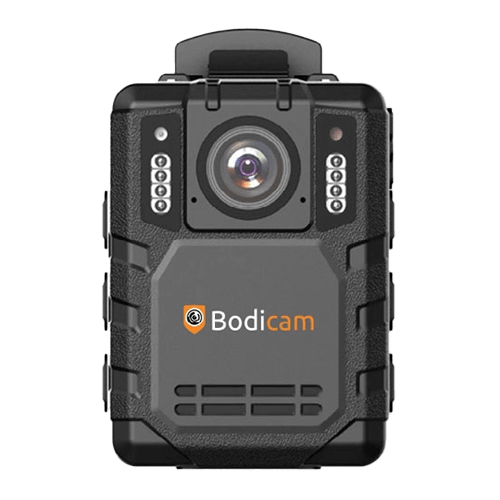
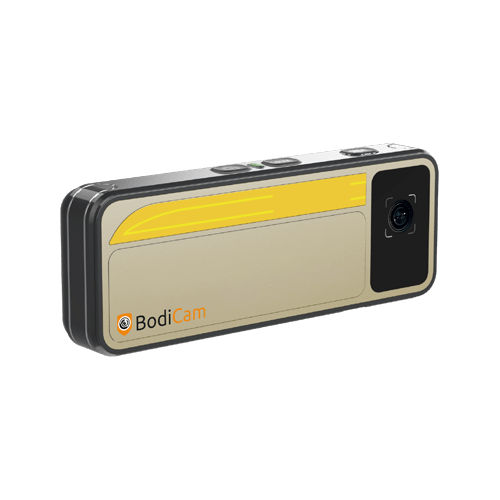
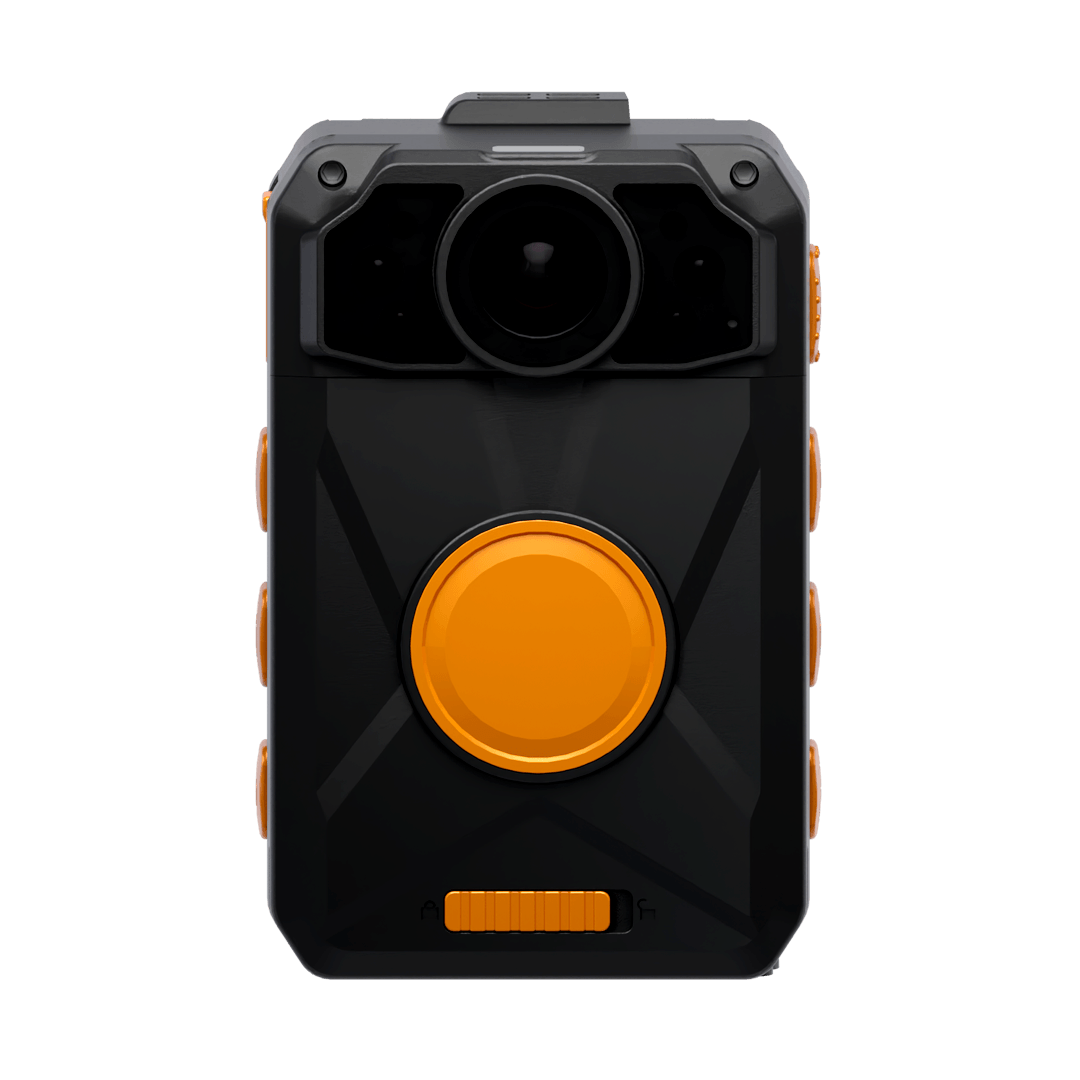
The foundation of the ecosystem is the camera hardware itself. BodiCam devices are built for frontline use, with rugged housings, long battery life, and intuitive controls designed for high pressure environments. Whether it is a compact micro camera for public facing roles or a more advanced model with live streaming and GPS, each device is engineered to deliver clear video and audio in real world conditions. Features such as low light performance, wide angle lenses, image stabilisation, and pre and post event recording ensure critical moments are captured reliably.
Beyond recording, camera hardware plays a key role in safety and usability. Large record buttons, vibration and audio alerts, and clear status indicators help staff operate cameras confidently without distraction. Optional features such as SOS alerts, live streaming, and location tracking add an extra layer of protection for lone workers and high risk roles, extending the camera's role from evidence capture to active safety support.
Software is where recorded footage becomes usable evidence. BodiCam's evidence management software securely stores video and audio recordings, protecting them with encryption, controlled access, and full audit trails. Authorised users can quickly search, review, and manage footage in line with organisational policies and data protection requirements. Retention rules can be configured to ensure footage is kept only for as long as necessary, supporting GDPR compliance and reducing administrative burden.
For organisations that require real time oversight, the ecosystem extends into control room and command functionality. Live streaming over WiFi or mobile networks allows authorised teams to view incidents as they unfold, improving situational awareness and enabling faster, more informed decision making. This is particularly valuable in high risk environments where immediate support or escalation may be required.
Docking stations and charging infrastructure form another important part of the ecosystem. These systems allow cameras to be charged and footage to be uploaded automatically at the end of a shift, reducing manual handling and ensuring recordings are transferred securely and consistently. Scalable docking options support organisations of all sizes, from small teams to large multi site deployments.
What brings the entire ecosystem together is integration. BodiCam systems are designed to work as a single, connected solution rather than isolated components. Hardware, software, and infrastructure are aligned to reduce complexity, improve reliability, and ensure a smooth experience for both users and administrators.
Just as important as the technology is the support around it. A successful body worn camera ecosystem includes guidance on policy development, training, and best practice, ensuring cameras are used responsibly and effectively from day one.
Body worn cameras are not just devices. They are part of a wider system that supports safety, accountability, and transparency. By combining robust hardware, secure software, and intelligent workflows, the BodiCam ecosystem delivers more than footage. It delivers confidence, clarity, and control for organisations operating on the frontline.