How to Choose the Right Body Worn Camera for Your Organisation
Choosing a body worn camera is not just about selecting a piece of hardware. It is about finding a solution that fits your organisation's operational needs, protects staff, and delivers reliable evidence when it matters most. With a wide range of body worn cameras now available, understanding what to look for can make all the difference between a successful deployment and a system that struggles to gain adoption.
At BodiCam, we work with organisations across security, retail, transport, healthcare, and local authorities, helping them select body worn camera solutions that work in real world conditions.
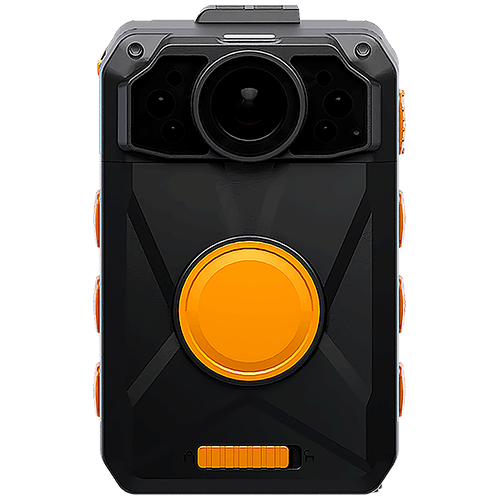
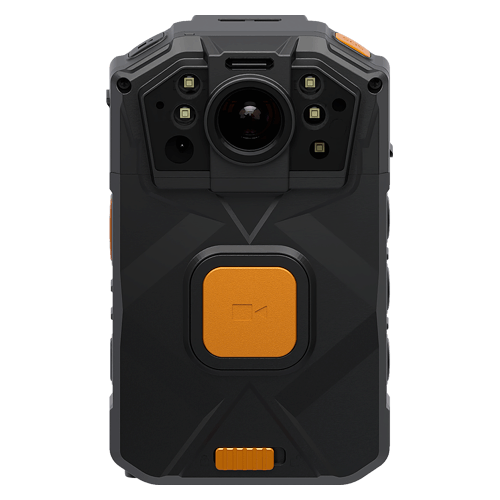
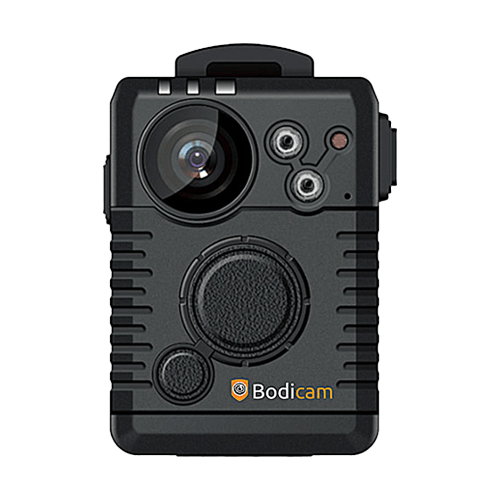
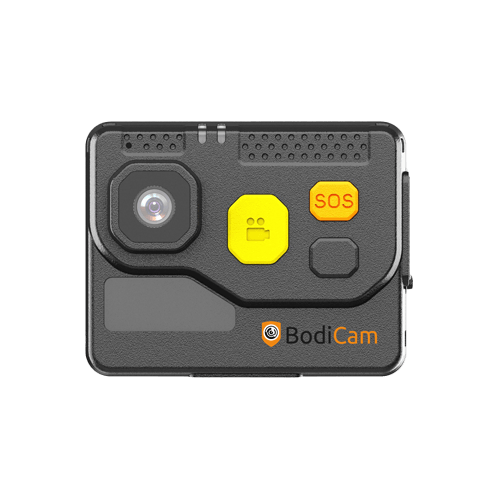
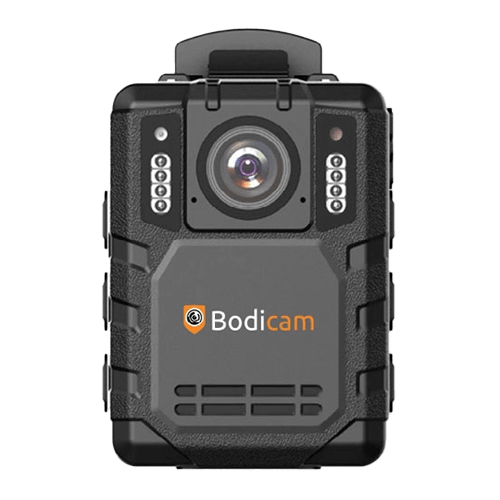
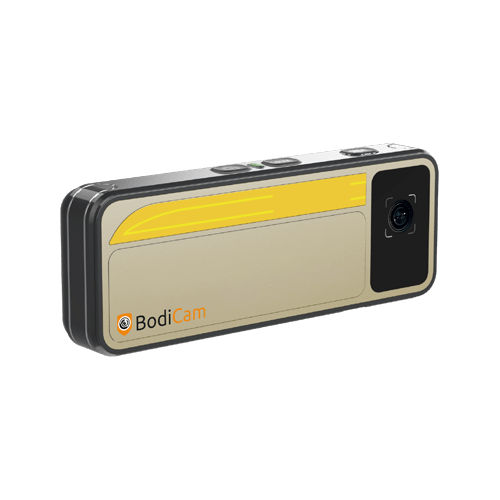
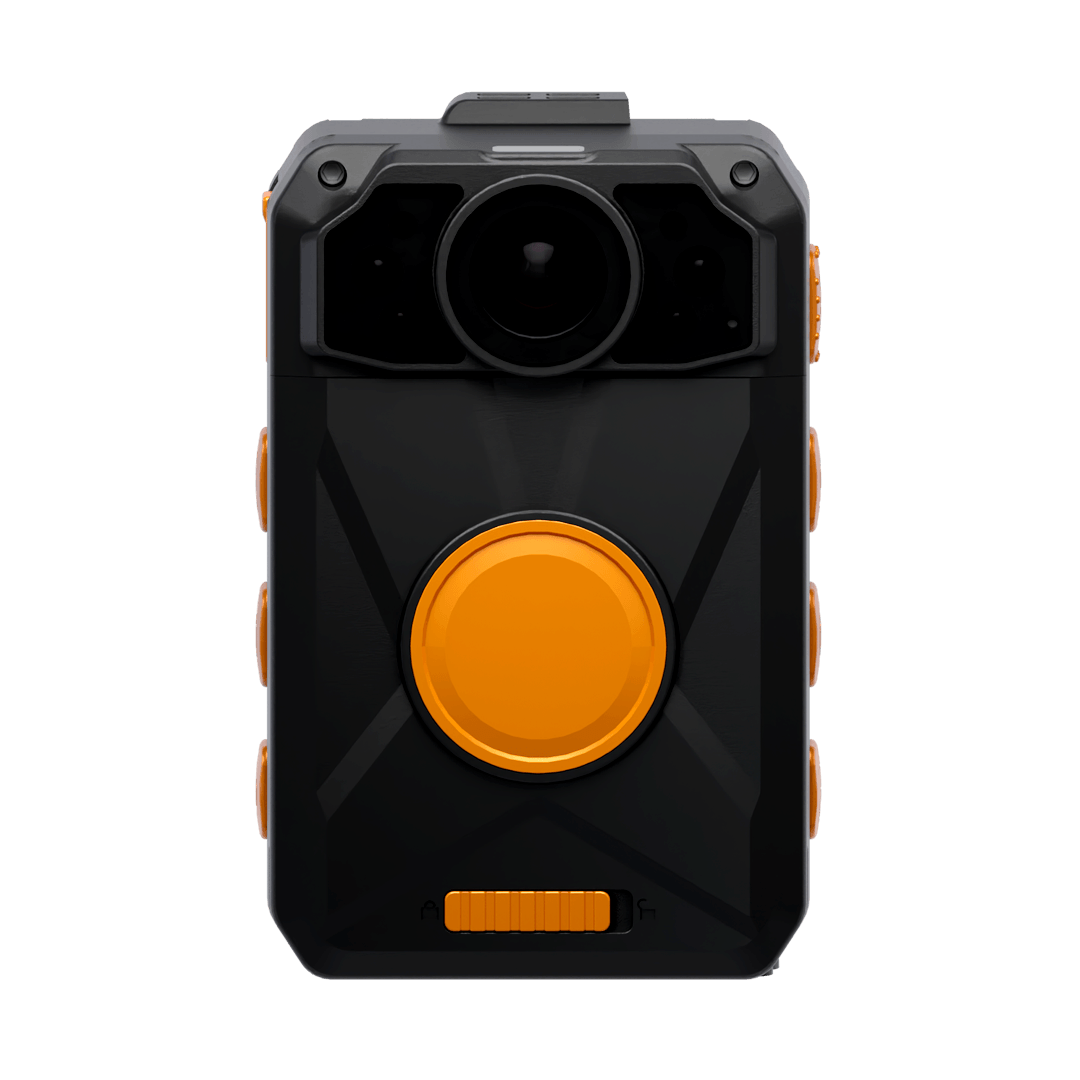
The first consideration should always be how and where the camera will be used. Different roles face different challenges. Public facing staff may need a discreet, lightweight camera that is comfortable to wear all day, while security or enforcement teams may require a more rugged device with enhanced night vision and durability. Understanding the environments your staff operate in, whether that includes low light conditions, lone working, or high conflict situations, will help determine the most suitable camera type.
Ease of use is equally important. In high pressure situations, staff need to be able to activate recording quickly and confidently. A camera with simple one touch recording, clear visual or vibration alerts, and intuitive controls is far more likely to be used correctly and consistently. If a device is complicated or awkward to operate, it can undermine both confidence and compliance.
Video and audio quality should also be carefully considered. Clear footage is essential for reviewing incidents, handling complaints, or supporting investigations. Wide angle lenses, stable image capture, and strong low light performance all contribute to usable and reliable evidence. Audio clarity is just as important, as tone and conversation often provide crucial context.
Battery life is another critical factor. A body worn camera must be able to last an entire shift without interruption. Organisations should consider how long their staff are on duty, whether live streaming is required, and how charging is managed. Cameras that support full shift battery performance reduce the risk of missed incidents and simplify daily operations.
Secure evidence management is a core part of any body worn camera solution. Capturing footage is only the first step. Organisations must be confident that video is uploaded securely, stored in line with data protection requirements, and accessible only to authorised users. Look for systems that provide encryption, clear audit trails, configurable retention periods, and simple tools for reviewing and sharing footage when required.
Comfort and wearability should not be overlooked. Cameras that are bulky or uncomfortable are less likely to be worn correctly throughout a shift. A range of mounting options, lightweight designs, and compatibility with existing uniforms all contribute to better user acceptance and long term success.
Training and support are also key to choosing the right solution. Even the best technology will fall short without proper guidance. Organisations should consider whether a supplier offers support with policy development, training, and ongoing advice. This helps ensure body worn cameras are introduced responsibly and used consistently across teams.
At BodiCam, we believe the right body worn camera is one that balances performance, usability, and compliance. By taking the time to understand your operational needs and choosing a solution designed for real world use, organisations can deploy body worn cameras with confidence, protecting staff, strengthening accountability, and building trust with the public.
Choosing the right body worn camera is an investment in safety, transparency, and professionalism. With the right approach and the right partner, it can deliver long term benefits across your organisation.